Bisoctrizole
Photostable hybrid UVA+UVB filter that also scatters light. Very low skin absorption. Australia allows 10%. Do not inhale the particles.
Bisoctrizole is a particulate organic filter with peaks around 305 nm and 360 nm. It both absorbs and scatters UV, which is why it is sometimes grouped with the mineral filters even though it is organic. It is highly photostable.
Australia and the EU allow 10% dermal use. SCCS found dermal use at 10% does not pose a systemic risk and genotoxicity testing was negative. The main caveat is inhalation of particles, so it should not go into sprays or loose powders.
It is not on the US OTC monograph. Toxicologically it sits with bemotrizinol as one of the more attractive modern filters.
Sources
Sunscreens with Bisoctrizole
49–53 of 53
Filter colour shows concern: Least Low Moderate Elevated High How it's set
-
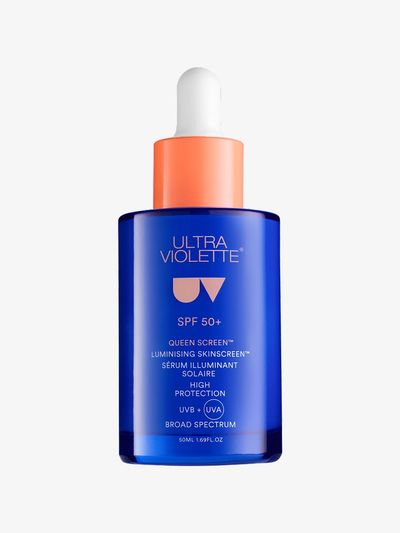
Ultra Violette Queen Screen Luminising SKINSCREEN Octisalate, low concern; Ensulizole, least concern; Bemotrizinol, least concern; DHHB, low concern; Bisoctrizole, least concern; Ethylhexyl triazone, least concern; Chemical SPF50+ · lotion
-
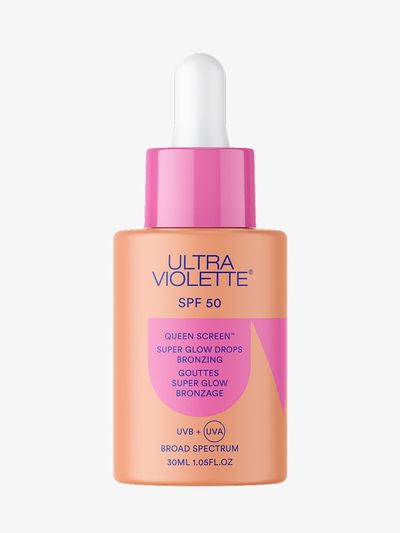
Ultra Violette Queen Screen Super Glow Drops Homosalate, moderate concern; Bisoctrizole, least concern; Bemotrizinol, least concern; Ethylhexyl triazone, least concern; Chemical SPF50 · fluid
-
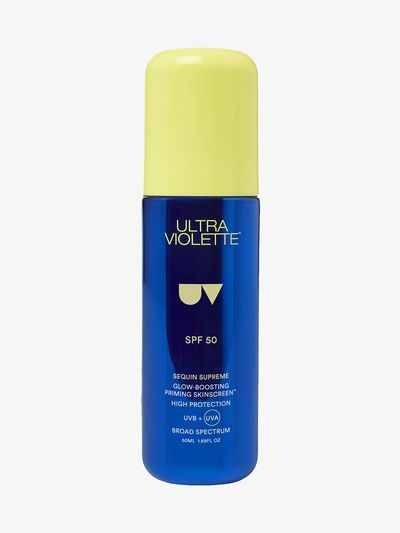
Ultra Violette Sequin Supreme Glow-Boosting Facial SKINSCREEN Octinoxate 10%, low concern; Bemotrizinol 3%, least concern; Bisoctrizole 2.5%, least concern; Chemical SPF50 · lotion
-
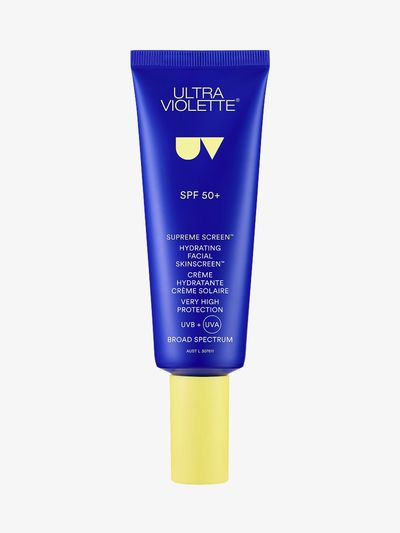
Ultra Violette Supreme Screen Hydrating SKINSCREEN Octinoxate 10%, low concern; Bemotrizinol 3%, least concern; Bisoctrizole 2.5%, least concern; Chemical SPF50+ · lotion
-
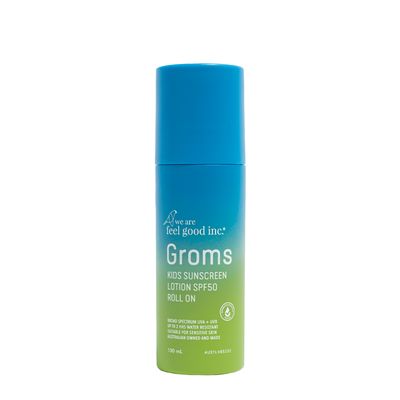
We Are Feel Good Inc Groms Kids Sunscreen Lotion Octisalate 4.5%, low concern; Ethylhexyl triazone 3%, least concern; Bisdisulizole disodium 2.6%, least concern; Bemotrizinol 2.5%, least concern; Avobenzone 2%, low concern; Bisoctrizole 2%, least concern; Chemical SPF50 · lotion