Octinoxate
Common UVB filter. Lab studies show endocrine activity, but TGA and SCCS still call 10% safe, including for children. Some reef jurisdictions ban it.
Octinoxate is an efficient UVB cinnamate (peak about 311 nm). It is less photostable than modern triazines. Australia and the EU allow 10% (US 7.5%).
TGA’s July 2025 review classed current Australian use as low risk, with a margin of safety above 100. SCCS’s final opinion of June 2025 (SCCS/1671/24) is the important nuance: the committee said EHMC is endocrine-active (oestrogenic and weakly anti-androgenic in experimental systems) and still considered 10% safe in sunscreen, face, hand and lip products, including sprays, and also safe for children because the margin of safety is high.
That is the difference between a biological hazard at some dose and a risk at sunscreen doses. Hawaii and some other reef jurisdictions restrict it for environmental reasons. Those bans are not a human-toxicity finding.
A decent UVB filter if the rest of the formula is good. Not a reason to discard a product, and not a first choice if a modern triazine is available.
Sources
Sunscreens with Octinoxate
-
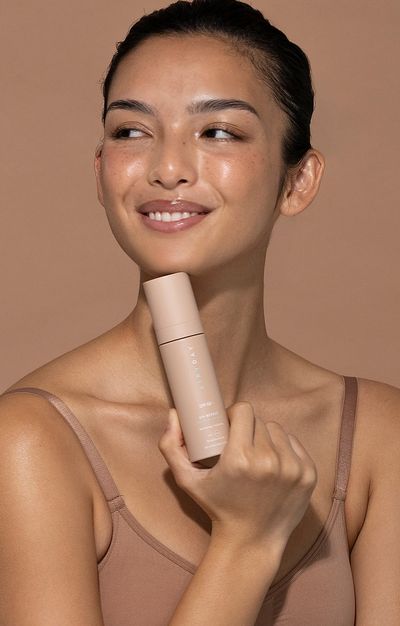 Airyday
On Repeat Top-Up Mist
Octisalate 5%
Octinoxate 8%
DHHB 6.5%
Ethylhexyl triazone 1%
Bemotrizinol 1%
Chemical
SPF50 · mist
Airyday
On Repeat Top-Up Mist
Octisalate 5%
Octinoxate 8%
DHHB 6.5%
Ethylhexyl triazone 1%
Bemotrizinol 1%
Chemical
SPF50 · mist
-
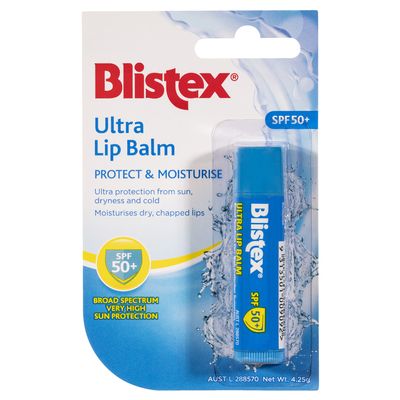 Blistex
Ultra Lip Balm
Octinoxate 3%
Avobenzone 2.5%
DHHB 2.4%
Bemotrizinol 1%
Oxybenzone 1%
Chemical
SPF50+ · lip balm
Blistex
Ultra Lip Balm
Octinoxate 3%
Avobenzone 2.5%
DHHB 2.4%
Bemotrizinol 1%
Oxybenzone 1%
Chemical
SPF50+ · lip balm
-
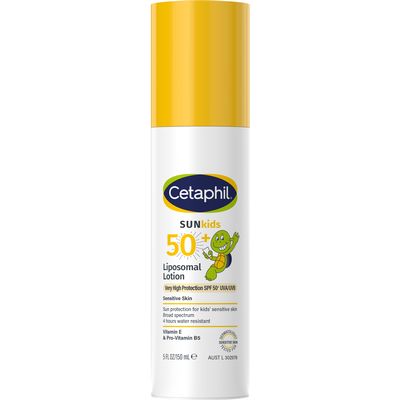 Cetaphil
Sun Kids Liposomal Lotion
Bisoctrizole 3%
DHHB 5%
Ethylhexyl triazone 3%
Bemotrizinol 4%
Octinoxate 5%
Chemical
SPF50+ · lotion
Cetaphil
Sun Kids Liposomal Lotion
Bisoctrizole 3%
DHHB 5%
Ethylhexyl triazone 3%
Bemotrizinol 4%
Octinoxate 5%
Chemical
SPF50+ · lotion
- Cetaphil Sun Ultra-light Lotion Octinoxate 10% DHHB 7.5% Bemotrizinol 5% Titanium dioxide 4.2% Bisoctrizole 1% Ethylhexyl triazone 1% Mineral + chemical SPF50+ · lotion
-
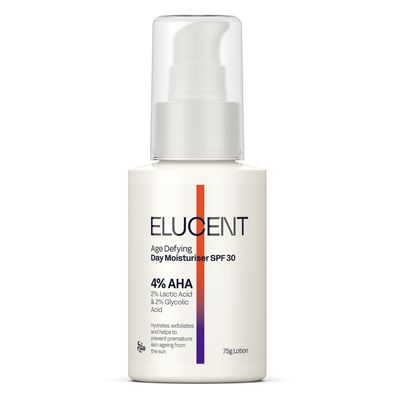 Ego
Elucent Age Defying Day Moisturiser
Bemotrizinol 1.5%
Avobenzone 2%
DHHB 1%
Bisoctrizole 1%
Octinoxate 4%
Chemical
SPF30 · lotion
Ego
Elucent Age Defying Day Moisturiser
Bemotrizinol 1.5%
Avobenzone 2%
DHHB 1%
Bisoctrizole 1%
Octinoxate 4%
Chemical
SPF30 · lotion
- Ego Elucent Even Tone Day Moisturiser Bemotrizinol 2.15% Bisoctrizole 5% Avobenzone 3.5% Octinoxate 8% Chemical SPF30 · lotion
- Ego QV Face Moisturising Day Cream Bemotrizinol 1.65% DHHB 2.7% Octinoxate 5% Titanium dioxide 2.96% Mineral + chemical SPF30 · cream
-
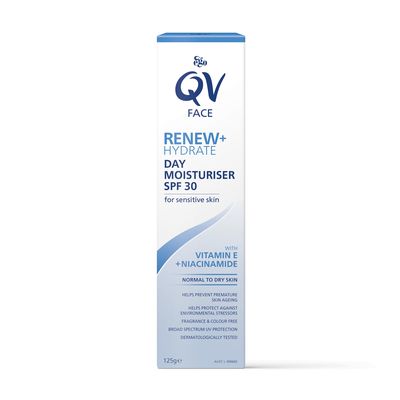 Ego
QV Face Renew + Hydrate Day Moisturiser
Bemotrizinol 2%
DHHB 5%
Octinoxate 10%
Titanium dioxide 2.1%
Mineral + chemical
SPF30 · cream
Ego
QV Face Renew + Hydrate Day Moisturiser
Bemotrizinol 2%
DHHB 5%
Octinoxate 10%
Titanium dioxide 2.1%
Mineral + chemical
SPF30 · cream
- Ego SunSense Face Ultra Light Bemotrizinol 2.2% DHHB 4.2% Ethylhexyl triazone 0.68% Octinoxate 6% Titanium dioxide 3.19% Mineral + chemical SPF50+ · lotion
- Ego SunSense Face Ultra Light Tint Bemotrizinol 2.2% DHHB 4.2% Ethylhexyl triazone 0.68% Octinoxate 6% Titanium dioxide 3.19% Mineral + chemical SPF50+ · lotion
- Ego SunSense Lip Balm Octinoxate 3% Avobenzone 2.5% Oxybenzone 1% Titanium dioxide 0.85% Bemotrizinol 1% DHHB 2.4% Mineral + chemical SPF50+ · lip balm
-
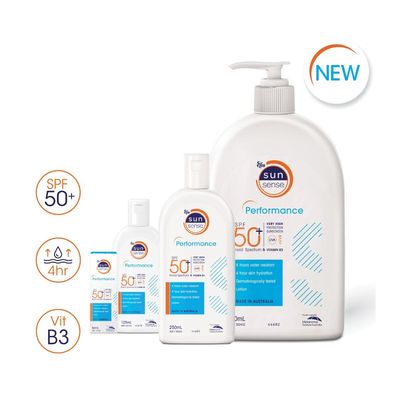 Ego
SunSense Performance
Bemotrizinol 1.7%
Avobenzone 2.5%
Octocrylene 2%
Octinoxate 6%
DHHB 2%
Titanium dioxide 4.2%
Mineral + chemical
SPF50+ · lotion
Ego
SunSense Performance
Bemotrizinol 1.7%
Avobenzone 2.5%
Octocrylene 2%
Octinoxate 6%
DHHB 2%
Titanium dioxide 4.2%
Mineral + chemical
SPF50+ · lotion
-
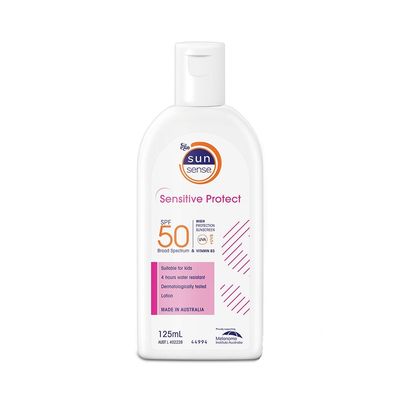 Ego
SunSense Sensitive Protect
Bemotrizinol 2%
DHHB 3.8%
Ethylhexyl triazone 1.2%
Octocrylene 3%
Octinoxate 7%
Titanium dioxide 3.3%
Mineral + chemical
SPF50 · lotion
Ego
SunSense Sensitive Protect
Bemotrizinol 2%
DHHB 3.8%
Ethylhexyl triazone 1.2%
Octocrylene 3%
Octinoxate 7%
Titanium dioxide 3.3%
Mineral + chemical
SPF50 · lotion
-
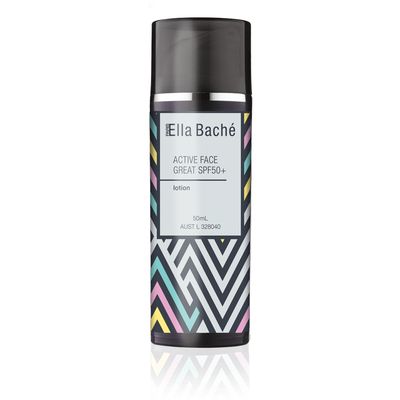 Ella Baché
Active Face Great Lotion
Octinoxate 2%
Octocrylene 4%
Avobenzone 4%
Ethylhexyl triazone 2.5%
Bemotrizinol 2%
Chemical
SPF50+ · lotion
Ella Baché
Active Face Great Lotion
Octinoxate 2%
Octocrylene 4%
Avobenzone 4%
Ethylhexyl triazone 2.5%
Bemotrizinol 2%
Chemical
SPF50+ · lotion
-
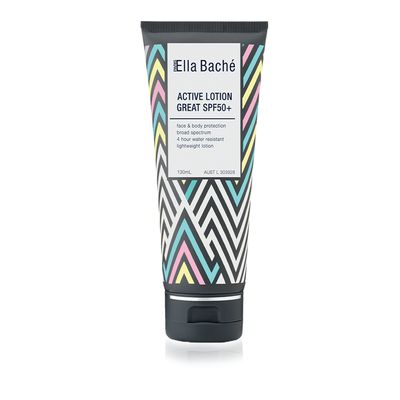 Ella Baché
Active Lotion Great
DHHB 6.5%
Octocrylene 6%
Octinoxate 5%
Avobenzone 3%
Chemical
SPF50+ · lotion
Ella Baché
Active Lotion Great
DHHB 6.5%
Octocrylene 6%
Octinoxate 5%
Avobenzone 3%
Chemical
SPF50+ · lotion
-
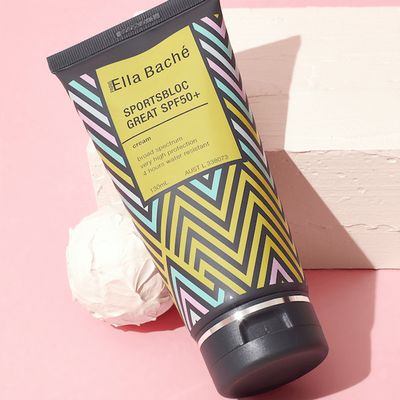 Ella Baché
Sportsbloc Great
Octinoxate 9.4%
Octisalate 4.7%
Avobenzone 3.7%
Ethylhexyl triazone 2.8%
DHHB 6.5%
Chemical
SPF50+ · cream
Ella Baché
Sportsbloc Great
Octinoxate 9.4%
Octisalate 4.7%
Avobenzone 3.7%
Ethylhexyl triazone 2.8%
DHHB 6.5%
Chemical
SPF50+ · cream
- Fleur De Mer Sunscreen in Foundation Cream Light Octinoxate 7% Oxybenzone 4% Octocrylene 6% Avobenzone 5% Chemical SPF50 · cream
- Fleur De Mer Sunscreen in Foundation Cream Medium Octinoxate 7% Oxybenzone 4% Octocrylene 6% Avobenzone 5% Chemical SPF50 · cream
- Fleur De Mer Sunscreen in Foundation Cream Soft Medium Octinoxate 7% Oxybenzone 4% Octocrylene 6% Avobenzone 5% Chemical SPF50 · cream
-
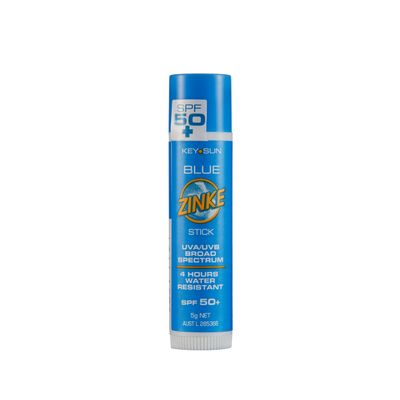 Key Sun
Blue Zinke Stick
Zinc oxide 25%
Octinoxate 9%
DHHB 3%
Mineral + chemical
SPF50+ · stick
Key Sun
Blue Zinke Stick
Zinc oxide 25%
Octinoxate 9%
DHHB 3%
Mineral + chemical
SPF50+ · stick
-
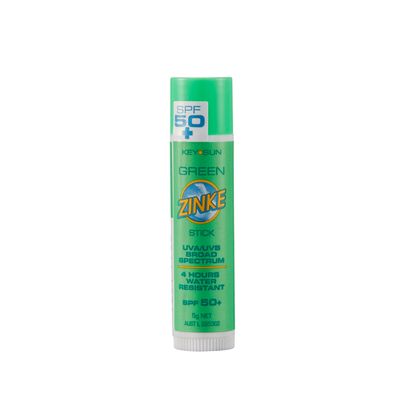 Key Sun
Green Zinke Stick
Zinc oxide 25%
Octinoxate 9%
DHHB 3%
Mineral + chemical
SPF50+ · stick
Key Sun
Green Zinke Stick
Zinc oxide 25%
Octinoxate 9%
DHHB 3%
Mineral + chemical
SPF50+ · stick
-
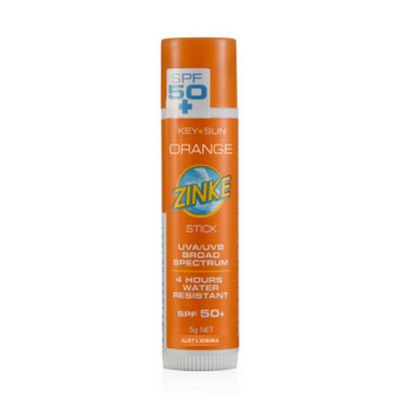 Key Sun
Orange Zinke Stick
Zinc oxide 25%
Octinoxate 9%
DHHB 3%
Mineral + chemical
SPF50+ · stick
Key Sun
Orange Zinke Stick
Zinc oxide 25%
Octinoxate 9%
DHHB 3%
Mineral + chemical
SPF50+ · stick
-
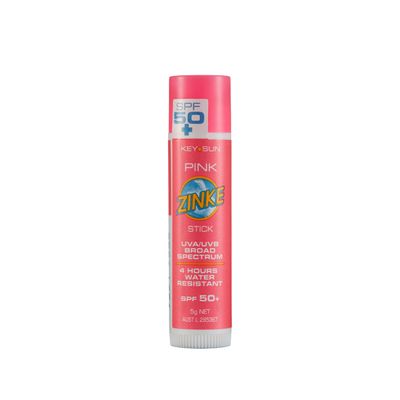 Key Sun
Pink Zinke Stick
Zinc oxide 25%
Octinoxate 9%
DHHB 3%
Mineral + chemical
SPF50+ · stick
Key Sun
Pink Zinke Stick
Zinc oxide 25%
Octinoxate 9%
DHHB 3%
Mineral + chemical
SPF50+ · stick
-
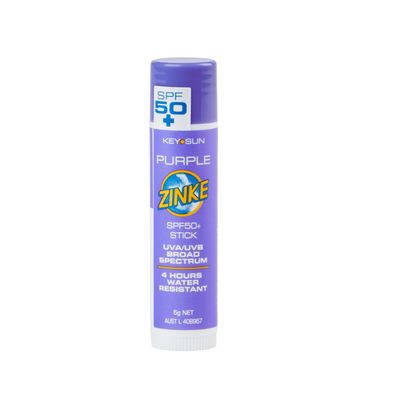 Key Sun
Purple Zinke Stick
Zinc oxide 25%
Octinoxate 9%
DHHB 3%
Mineral + chemical
SPF50+ · stick
Key Sun
Purple Zinke Stick
Zinc oxide 25%
Octinoxate 9%
DHHB 3%
Mineral + chemical
SPF50+ · stick
-
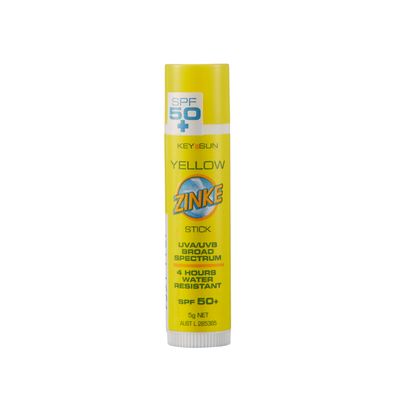 Key Sun
Yellow Zinke Stick
Zinc oxide 25%
Octinoxate 9%
DHHB 3%
Mineral + chemical
SPF50+ · stick
Key Sun
Yellow Zinke Stick
Zinc oxide 25%
Octinoxate 9%
DHHB 3%
Mineral + chemical
SPF50+ · stick
- mesoestetic mesoprotech sun stick 100 Bemotrizinol 7% Avobenzone 4.5% Ethylhexyl triazone 5% Homosalate 5% Octocrylene 5% Octinoxate 5% Polysilicone-15 2% Titanium dioxide 3.38% Mineral + chemical SPF50+ · stick
-
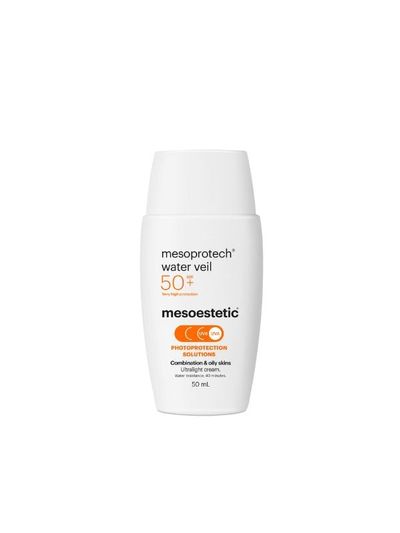 mesoestetic
mesoprotech water veil
Octinoxate 8%
Octocrylene 7%
Bemotrizinol 4%
Avobenzone 4%
Bisoctrizole 3%
Titanium dioxide 1.8%
Mineral + chemical
SPF50+ · cream
mesoestetic
mesoprotech water veil
Octinoxate 8%
Octocrylene 7%
Bemotrizinol 4%
Avobenzone 4%
Bisoctrizole 3%
Titanium dioxide 1.8%
Mineral + chemical
SPF50+ · cream
- Skinstitut Age Defence Bemotrizinol 5% DHHB 5% Ethylhexyl triazone 2% Bisoctrizole 6% Octinoxate 5% Ensulizole 1% Chemical SPF50+ · cream
- Sun Bum Original Face Stick Octocrylene 10% Homosalate 10% Octinoxate 7.5% Octisalate 5% Avobenzone 5% Chemical SPF30 · stick
- Sun Zapper Blue Zinc Stick Zinc oxide 25% Octinoxate 9% DHHB 3% Mineral + chemical SPF50+ · stick
- Sun Zapper Extreme Blue Bay Zinc Stick Zinc oxide 25% Octinoxate 8% Octocrylene 6% DHHB 3% Mineral + chemical SPF50+ · stick
- Sun Zapper Extreme Bronze Zinc Stick Zinc oxide 25% Octinoxate 8% Octocrylene 6% DHHB 3% Mineral + chemical SPF50+ · stick
- Sun Zapper Extreme Coral Pink Zinc Stick Zinc oxide 25% Octinoxate 8% Octocrylene 6% DHHB 3% Mineral + chemical SPF50+ · stick
- Sun Zapper Extreme Golden Brown Zinc Stick Zinc oxide 25% Octinoxate 8% Octocrylene 6% DHHB 5% Mineral + chemical SPF50+ · stick
- Sun Zapper Extreme Green Sea Zinc Stick Zinc oxide 25% Octinoxate 8% Octocrylene 6% DHHB 3% Mineral + chemical SPF50+ · stick
- Sun Zapper Extreme Orange Sun Zinc Stick Zinc oxide 25% Octinoxate 8% Octocrylene 6% DHHB 3% Mineral + chemical SPF50+ · stick
- Sun Zapper Extreme Purple Sky Zinc Stick Zinc oxide 25% Octinoxate 8% Octocrylene 6% DHHB 3% Mineral + chemical SPF50+ · stick
- Sun Zapper Extreme Red Flash Zinc Stick Zinc oxide 25% Octinoxate 8% Octocrylene 6% DHHB 3% Mineral + chemical SPF50+ · stick
- Sun Zapper Extreme Shell White Zinc Stick Zinc oxide 25% Octinoxate 8% Octocrylene 6% DHHB 3% Mineral + chemical SPF50+ · stick
- Sun Zapper Extreme Tan Zinc Stick Zinc oxide 25% Octinoxate 8% Octocrylene 6% DHHB 3% Mineral + chemical SPF50+ · stick
- Sun Zapper Extreme Yellow Sand Zinc Stick Zinc oxide 25% Octinoxate 8% Octocrylene 6% DHHB 3% Mineral + chemical SPF50+ · stick
- Sun Zapper Green Zinc Stick Zinc oxide 25% Octinoxate 9% DHHB 3% Mineral + chemical SPF50+ · stick
- Sun Zapper Light Skin Tone Zinc Stick Zinc oxide 25% Octinoxate 9% DHHB 3% Mineral + chemical SPF50+ · stick
- Sun Zapper Medium Skin Tone Zinc Stick Zinc oxide 25% Octinoxate 9% DHHB 3% Mineral + chemical SPF50+ · stick
- Sun Zapper Pink Zinc Stick Zinc oxide 25% Octinoxate 9% DHHB 3% Mineral + chemical SPF50+ · stick
- Sun Zapper White Zinc Stick Zinc oxide 15% Octinoxate 9% DHHB 3% Mineral + chemical SPF50 · stick
- Sun Zapper Yellow Zinc Stick Zinc oxide 25% Octinoxate 9% DHHB 3% Mineral + chemical SPF50+ · stick
- Sunstop Broad Spectrum Sunscreen Cream Octinoxate Oxybenzone Zinc oxide Mineral + chemical SPF30 · cream
- Sunstop Sunscreen Cream DHHB 10% Ethylhexyl triazone 2% Octinoxate 10% Oxybenzone 3% Zinc oxide 7% Mineral + chemical SPF50+ · cream
-
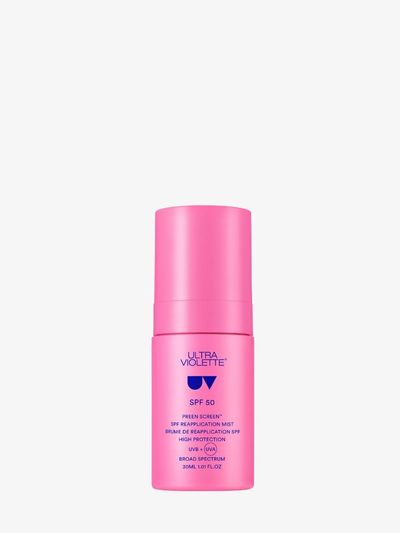 Ultra Violette
Mini Preen Screen
DHHB 5%
Octinoxate 5%
Bemotrizinol 2%
Ethylhexyl triazone 2%
Chemical
SPF50 · mist
Ultra Violette
Mini Preen Screen
DHHB 5%
Octinoxate 5%
Bemotrizinol 2%
Ethylhexyl triazone 2%
Chemical
SPF50 · mist
- Ultra Violette Sequin Supreme Glow-Boosting Facial SKINSCREEN Octinoxate 10% Bemotrizinol 3% Bisoctrizole 2.5% Chemical SPF50 · lotion
- Ultra Violette Sheen Screen Hydrating Lip Balm Avobenzone 3% Octinoxate 5% Octocrylene 4.7% Chemical SPF50 · lip balm
- Ultra Violette Supreme Screen Hydrating SKINSCREEN Octinoxate 10% Bemotrizinol 3% Bisoctrizole 2.5% Chemical SPF50+ · lotion
- Ultraceuticals Daily Defence Moisturising Sunscreen Hydrating Bemotrizinol 2% Avobenzone 5% Octocrylene 3% Octinoxate 2% Ensulizole 4% Chemical SPF30 · cream
- Ultraceuticals Daily Defence Moisturising Sunscreen Hydrating Bemotrizinol 2% Avobenzone 4% Octocrylene 4% Octinoxate 3% Ensulizole 4% Chemical SPF50 · cream
- Ultraceuticals Daily Defence Moisturising Sunscreen Mattifying Bemotrizinol 2% Avobenzone 5% Octocrylene 3% Octinoxate 2% Ensulizole 4% Chemical SPF30 · cream
- Ultraceuticals Daily Defence Moisturising Sunscreen Mattifying Bemotrizinol 2% Avobenzone 4% Octocrylene 4% Octinoxate 3% Ensulizole 4% Chemical SPF50 · cream
- Ultraceuticals Daily Defence Moisturising Sunscreen Sheer Tint Bemotrizinol 2% Avobenzone 5% Octocrylene 3% Octinoxate 2% Ensulizole 4% Chemical SPF30 · cream