Oxybenzone
The most scrutinised common filter. Highest systemic absorption. EU already cut body products to 2.2%. TGA is proposing tighter Australian controls.
Oxybenzone is a benzophenone filter covering UVB and UVA2 (peaks about 288 nm and 325 nm). Australia still allows 10%. The EU allows 6% on face, hands and lips (non-spray) and 2.2% on the body.
It is the most absorbed of the common filters in FDA maximum-use trials, and plasma levels can linger for weeks after heavy use. TGA’s July 2025 review found the margin of safety below 100 for daily full-body use at the current cap. Face-and-hands-only use passed at about 9.8–10%. TGA is proposing concentration and use restrictions; an interim decision is due for further consultation by the end of 2026. Current products remain legal.
SCCS describes the endocrine evidence as inconclusive or equivocal. Observational human studies on benzophenones report associations with hormones, puberty timing and some reproductive measures. Those studies are signals, not proof that labelled sunscreen use caused the outcomes, and mixed chemical exposures are a real confounder.
Hawaii, Palau and some other places ban it to protect coral. That is an environmental rule, not an Australian human-health ban.
No need to bin a tube you already own. Do not seek it out in a new body sunscreen.
Sources
- https://www.tga.gov.au/resources/publication/corporate-reports/safety-review-seven-active-sunscreen-ingredients
- https://www.tga.gov.au/resources/explore-topic/sunscreens/sunscreen-ingredients
- https://health.ec.europa.eu/scientific-committees/scientific-committee-consumer-safety-sccs/sccs-opinions_en
Sunscreens with Oxybenzone
- Alpha-H Protection Plus Daily Moisturiser Avobenzone 2.5% Octocrylene 7% Oxybenzone 3% Ensulizole 2% Chemical SPF50+ · cream
-
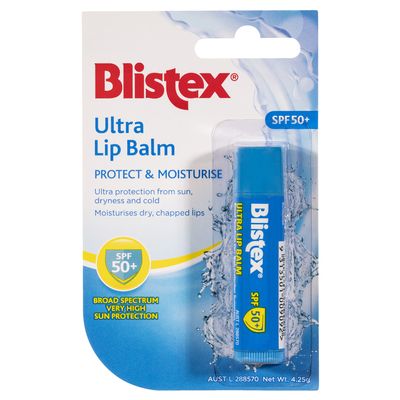 Blistex
Ultra Lip Balm
Octinoxate 3%
Avobenzone 2.5%
DHHB 2.4%
Bemotrizinol 1%
Oxybenzone 1%
Chemical
SPF50+ · lip balm
Blistex
Ultra Lip Balm
Octinoxate 3%
Avobenzone 2.5%
DHHB 2.4%
Bemotrizinol 1%
Oxybenzone 1%
Chemical
SPF50+ · lip balm
- Bondi Sands Aloe Vera Sunscreen Spray Avobenzone 4% Oxybenzone 4% Octocrylene 2% Octisalate 5% Homosalate 10% Chemical SPF30 · spray
-
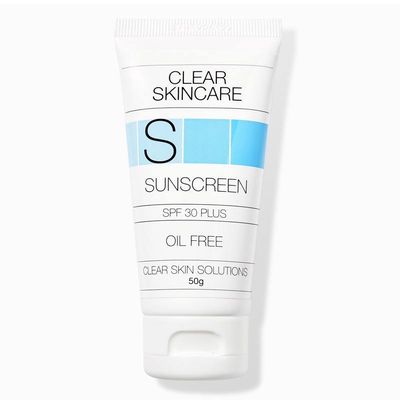 Clear Skincare
Sunscreen Oil Free
Octocrylene 5%
Oxybenzone 1.5%
Avobenzone 1%
Ensulizole 2%
Chemical
SPF30+ · cream
Clear Skincare
Sunscreen Oil Free
Octocrylene 5%
Oxybenzone 1.5%
Avobenzone 1%
Ensulizole 2%
Chemical
SPF30+ · cream
- Ego SunSense Lip Balm Octinoxate 3% Avobenzone 2.5% Oxybenzone 1% Titanium dioxide 0.85% Bemotrizinol 1% DHHB 2.4% Mineral + chemical SPF50+ · lip balm
- Fleur De Mer Sunscreen in Foundation Cream Light Octinoxate 7% Oxybenzone 4% Octocrylene 6% Avobenzone 5% Chemical SPF50 · cream
- Fleur De Mer Sunscreen in Foundation Cream Medium Octinoxate 7% Oxybenzone 4% Octocrylene 6% Avobenzone 5% Chemical SPF50 · cream
- Fleur De Mer Sunscreen in Foundation Cream Soft Medium Octinoxate 7% Oxybenzone 4% Octocrylene 6% Avobenzone 5% Chemical SPF50 · cream
- Fleur De Mer Untinted Sunscreen with Vitamin E Octocrylene 7% Avobenzone 2.5% Ensulizole 2% Oxybenzone 3% Chemical SPF50+ · cream
- Manola Sun Shield Velvet Finish Cream Avobenzone 2.5% Octocrylene 7% Oxybenzone 3% Ensulizole 2% Chemical SPF50+ · cream
- Mecca To Save Face Facial Sunscreen Avobenzone 1% Octocrylene 5% Ensulizole 2% Oxybenzone 1.5% Chemical SPF30 · cream
-
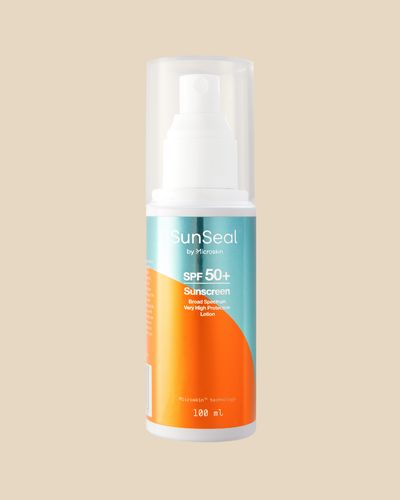 SunSeal by Microskin
Sunscreen
Avobenzone 3%
Homosalate 10%
Octocrylene 8%
Octisalate 5%
Oxybenzone 6%
Chemical
SPF50+ · lotion
SunSeal by Microskin
Sunscreen
Avobenzone 3%
Homosalate 10%
Octocrylene 8%
Octisalate 5%
Oxybenzone 6%
Chemical
SPF50+ · lotion
- Sunstop Broad Spectrum Sunscreen Cream Octinoxate Oxybenzone Zinc oxide Mineral + chemical SPF30 · cream
- Sunstop Sunscreen Cream DHHB 10% Ethylhexyl triazone 2% Octinoxate 10% Oxybenzone 3% Zinc oxide 7% Mineral + chemical SPF50+ · cream
- The Breakout Hack skin shady face moisturiser Octocrylene 7% Avobenzone 2.5% Oxybenzone 3% Ensulizole 2% Chemical SPF50+ · cream